North Stream 2 - Bone of contention or red herring ?
The construction of a new direct gas supply pipeline between Russia and Germany has been going for the better part of 10 years - after many previous years of preparation.The project was contentious from the beginning:
- Does it really meet Europe's strategic needs ?
- Is it compatible with the European common market for natural gas ?
- And last but certainly not least: is it justified to increase the supply of a fossil fuel in the light of possiby uncertain demand prospects, and more broadly, is it right to promote the release of more greenhouse gase ?
These would seem to be the fundamental questions, rather than issues of transatlantic rivalries and bickering about the best way of ensuring some independence from Russia energy imports. Here are some details about why we are where we are now......
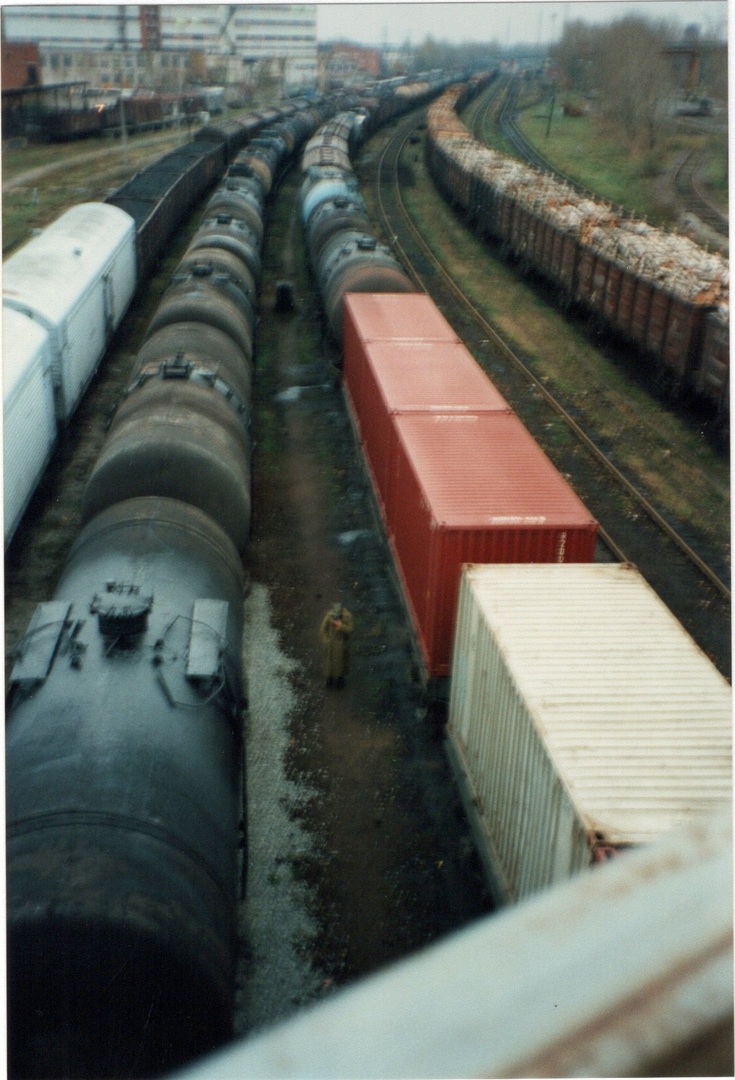
Imports of Hydrocarbons from Russia - a fate Europe cannot escape ?
Picture of tanker trains in the station of Narva, Estonia
Currently, in the light of a total rethinking of Europe's strategic relationship with Moscow, the completion of North Stream 2 is definitely an issue that is high on the agenda. Benign statements by some German politicians that broader considerations should not motivate desisting from this project, and that the EU legislative framework supports the project as conceived, are simply beside the point or, more seriously, patently untrue.
Here's a little legal excursion. Basically, the infrastructure for the large-scale transport of natural gas must conform to the rules of the EU, covering the single European gas market. North Stream per se never took these into account. But a major pipeline cannot remain in a legal vacuum.
The amendments to the European Gas Directive 2009/73/EC approved by the European Council on 15 April 2019 oblige operators of existing gas pipelines to and from third countries to apply for a derogation from the rules of competition such as access provision to third parties in the single market, provided that the derogation would not be detrimental to competion, effective market functioning or the security of supply in the EU. For new projects, the promoters must apply for an exemption from the rules in accordance with Article 36 of the amended gas directive under certain conditions. For North Stream, such an exemption has never been granted, nor has it ever been applied for. In fact, the promoters of North Stream 2 argue that theirs is an "existing" project, when in fact the German regulator made clear that he did not regard the pipeline as "completed". This consequently means that Article 36 for new infrastructure is applicable. In either case ("existing" or "new" infrastructure), whatever exemptions or derogations are granted, we can take home that these must not be detrimental to the effective functioning of the internal markets in natural gas.
So where does that leave us ? It all hinges on whether the pipeline is considered, at the European level, as something that enhances the internal market for natural gas. And that is where the division arises, between those who think that more gas from Russia is good for Europe or bad for Europe, simply put.
 Druckversion